
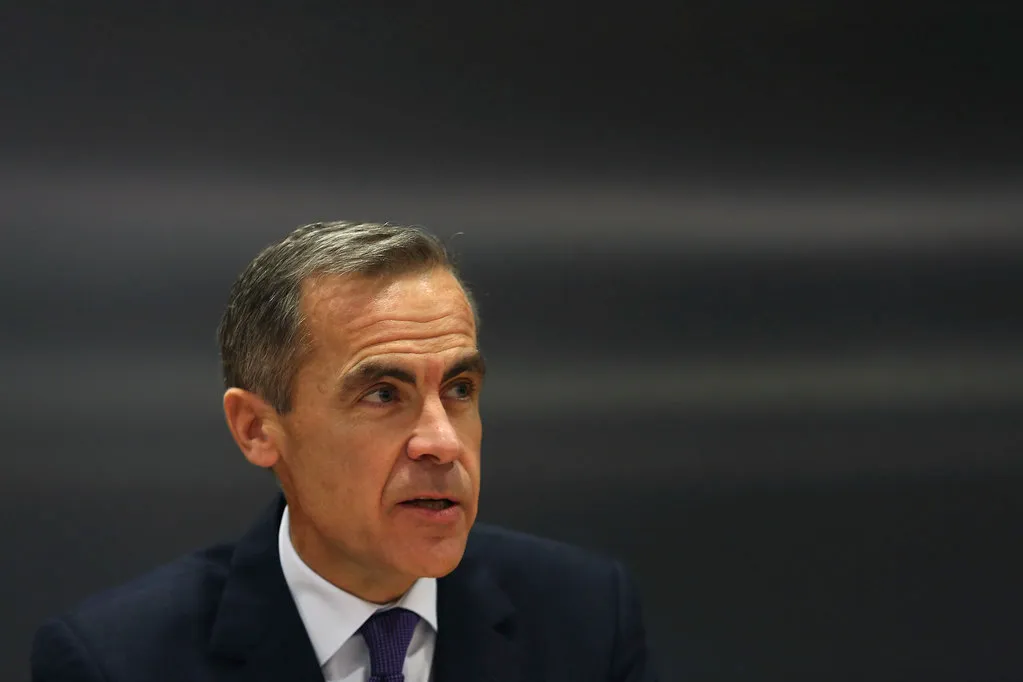
Prime Minister Mark Carney met with Canada’s 13 premiers on Friday at the Canadian War Museum in Ottawa to address mounting concerns around interprovincial trade and economic stability amid escalating global tensions. The meeting comes just two days before Carney is expected to visit Governor General Mary Simon to request the dissolution of Parliament and officially launch a federal election.
Carney opened the gathering by emphasizing the urgent need for economic transformation and greater mobility for both Canadian workers and goods. “We have to do things we hadn’t imagined possible before—and faster than ever,” he said. In a nod to investors and entrepreneurs, Carney also referenced the government’s move to restore the previous capital gains tax level, aimed at rewarding risk-taking and stimulating economic growth.
The broader backdrop to the discussion is U.S. President Donald Trump’s recent decision to impose steep 25% tariffs on all steel and aluminum imports, triggering Canada’s retaliatory doubling of tariffs on U.S. goods. With the trade war intensifying, several premiers voiced support for more unified and strategic responses. Quebec Premier François Legault called for a comprehensive renegotiation of trade deals with the U.S., rather than dealing with issues in isolation. He stressed the need to carefully craft countermeasures that hurt American businesses while sparing Canadian industries as much as possible.
The North also emerged as a central topic. Nunavut Premier P.J. Akeeagok and Yukon Premier Ranj Pillai praised Carney for acknowledging the strategic and economic importance of Canada’s Arctic region. They said the federal government should view the North not only as a critical defense zone but also as a frontier for investment and diversification. Pillai described Carney’s recent visit to Iqaluit as “a tone-setting moment,” while Akeeagok pointed to immense untapped opportunities for national growth in the region.
Interprovincial trade cooperation was high on the agenda, with some leaders offering clear endorsements. New Brunswick Premier Susan Holt openly backed Carney, citing his intellect and diplomatic strength as key assets in potential negotiations with Trump. Other premiers, like Ontario’s Doug Ford, struck a more neutral tone. Ford reiterated his willingness to work with any federal leader, stressing that his primary concern remains Ontario’s economic wellbeing. Ford had previously met with Carney in a more informal setting to discuss trade issues with the U.S., but has avoided publicly aligning with either Carney or Conservative Leader Pierre Poilievre.
Meanwhile, Manitoba Premier Wab Kinew drew attention to China’s retaliatory tariffs on Canadian pork and canola, warning that Canada is effectively engaged in a two-front trade war. He called for a cohesive national strategy that protects farmers, workers, and exporters from the combined threats posed by U.S. and Chinese economic pressure.
As political tensions rise and a federal election looms, Carney used the meeting to position himself as a pragmatic and collaborative leader focused on national unity, trade stability, and economic resilience—elements that may form the cornerstone of his campaign in the days to come.
Originally published on Weekly Voice