
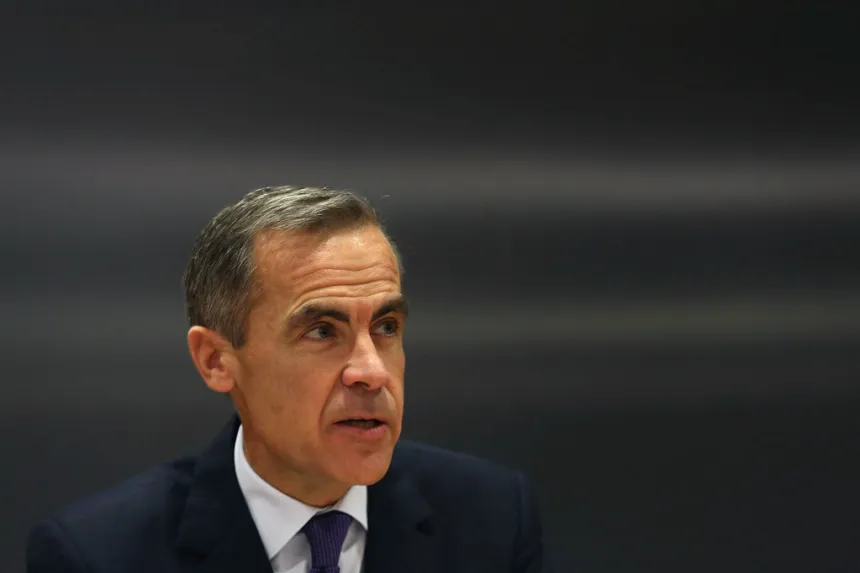
Canada’s 2025 federal election ended in dramatic fashion with Mark Carney’s Liberals securing a fourth consecutive term—albeit another minority government. While the Liberals fell just short of a majority, the victory represents a political comeback few predicted months ago. Carney now turns to building a functioning government while preparing for tense negotiations with U.S. President Donald Trump.
The election night was filled with upsets and symbolic moments. The biggest shock came when Conservative Leader Pierre Poilievre lost his long-held Ontario seat in Carleton to Liberal newcomer Bruce Fanjoy, marking an end to Poilievre’s two-decade dominance in the riding. Fanjoy credited his grassroots door-to-door campaign and accused Poilievre of taking constituents for granted. While Poilievre vowed to stay on as party leader, he now faces internal scrutiny and a looming special election in Alberta where he hopes to win a new seat.
Carney, meanwhile, wasted no time after the win. He spoke by phone with President Trump, with both leaders agreeing to work as “independent, sovereign nations,” despite the White House again floating the idea of Canada becoming the “51st state”—a remark that continues to shadow cross-border relations. Carney’s team is expected to begin cabinet planning and push forward with key promises, including middle-class tax cuts and removing interprovincial trade barriers.
The New Democratic Party faces a historic low after crashing to single-digit seats. Jagmeet Singh, its long-time leader, announced his resignation following the party’s worst performance since 1993. Singh also lost his own seat, triggering a leadership vacuum that will force the NDP to undergo a deep rebuild.
As the dust settles, many Conservatives are already preparing for the next election. Figures like Ontario MP Scott Aitchison and former leader Andrew Scheer openly speculated that this minority Parliament could be short-lived, predicting another federal vote within a couple of years. Despite Poilievre’s personal loss, several Conservatives believe his coalition-building among working-class and younger voters has changed the party’s long-term trajectory.
Still, Poilievre’s aggressive, Trump-inspired style is being debated internally. Critics argue his populist tone alienated voters in the east, while supporters say he expanded the Conservative base in Ontario and outperformed in popular vote share. The challenge now is whether the party can unite behind him or if leadership questions resurface as Parliament resumes.
Mark Carney now governs a divided country—one fractured by region, generation, and ideology. He enters his first full term with no shortage of challenges: managing opposition cooperation, facing off with a volatile U.S. president, and reconnecting with young voters drifting toward the Conservatives. The next chapter in Canadian politics may be just beginning.
Originally published on Weekly Voice